
• 中文版
  • BM
  • News
  • Deals
  • Reviews
    • First Impressions
    • Hands-on
    • Comparisons
  • Tech
    • Mobile
    • Computers
    • Cameras
    • Wearables
    • Audio
    • Drones
  • Telco
    • Celcom
    • Digi
    • Maxis
    • Time
    • Tune Talk
    • U Mobile
    • Unifi
    • Yes
  • Cars
  • Contribute
  • Jobs
Menu
  • 中文版
  • BM
  • News
  • Deals
  • Reviews
    • First Impressions
    • Hands-on
    • Comparisons
  • Tech
    • Mobile
    • Computers
    • Cameras
    • Wearables
    • Audio
    • Drones
  • Telco
    • Celcom
    • Digi
    • Maxis
    • Time
    • Tune Talk
    • U Mobile
    • Unifi
    • Yes
  • Cars
  • Contribute
  • Jobs
Search
  • Tech
    • News
    • Mobile
    • Computers
    • Cameras
    • Wearables
    • Audio
    • Drones
  • Telco
    • Celcom
    • Digi
    • Maxis
    • Time
    • U Mobile
    • Unifi
    • Yes
  • Reviews
    • First Impressions
    • Hands-on
    • Comparisons
  • Buyer’s Guide
  • Opinions
  • Digital Life
  • Video
  • Deals
  • How-To
  • Cars
  • Bahasa Melayu
  • EV
  • Contribute
  • Advertise
Menu
  • Tech
    • News
    • Mobile
    • Computers
    • Cameras
    • Wearables
    • Audio
    • Drones
  • Telco
    • Celcom
    • Digi
    • Maxis
    • Time
    • U Mobile
    • Unifi
    • Yes
  • Reviews
    • First Impressions
    • Hands-on
    • Comparisons
  • Buyer’s Guide
  • Opinions
  • Digital Life
  • Video
  • Deals
  • How-To
  • Cars
  • Bahasa Melayu
  • EV
  • Contribute
  • Advertise
Search
Close
Home News

Xiaomi Mi 11 has an in-display heart rate sensor, here’s how it works

  • BY Alexander Wong
  • 30 December 2020
  • 10:37 am
  • Comment
Share on FacebookShare on Twitter

The Xiaomi Mi 11 is the first smartphone to launch with Qualcomm’s new Snapdragon 888 processor. On top of that, it also appears to be the first phone to feature an in-display fingerprint sensor that doubles as a heart rate sensor.

Chinese tech blogger and tear down specialists, IO technology (艾奥科技), have gotten their hands on a Mi 11 and they have shown the in-display heart rate sensor in action in their teardown video. As you would expect, the placement is the same as a typical in-display fingerprint sensor.
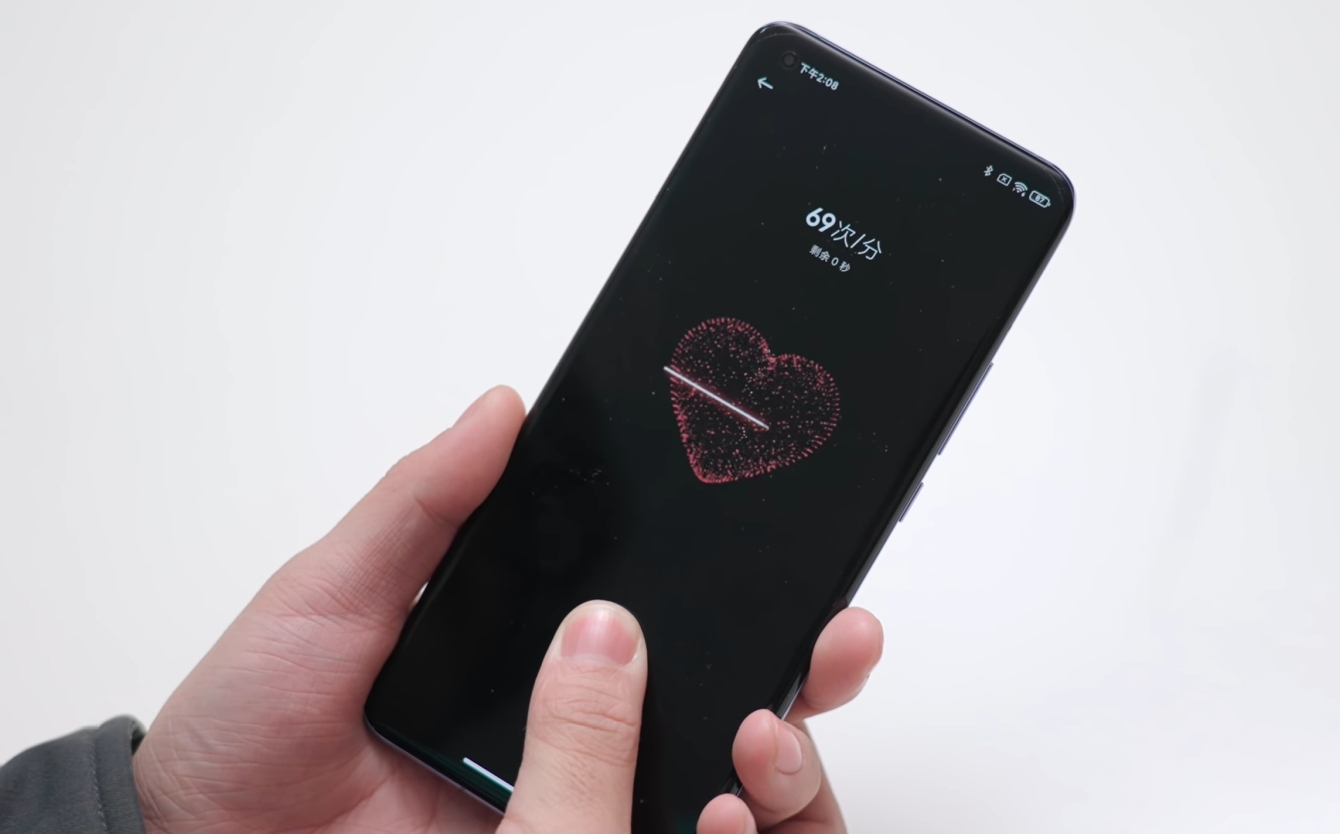
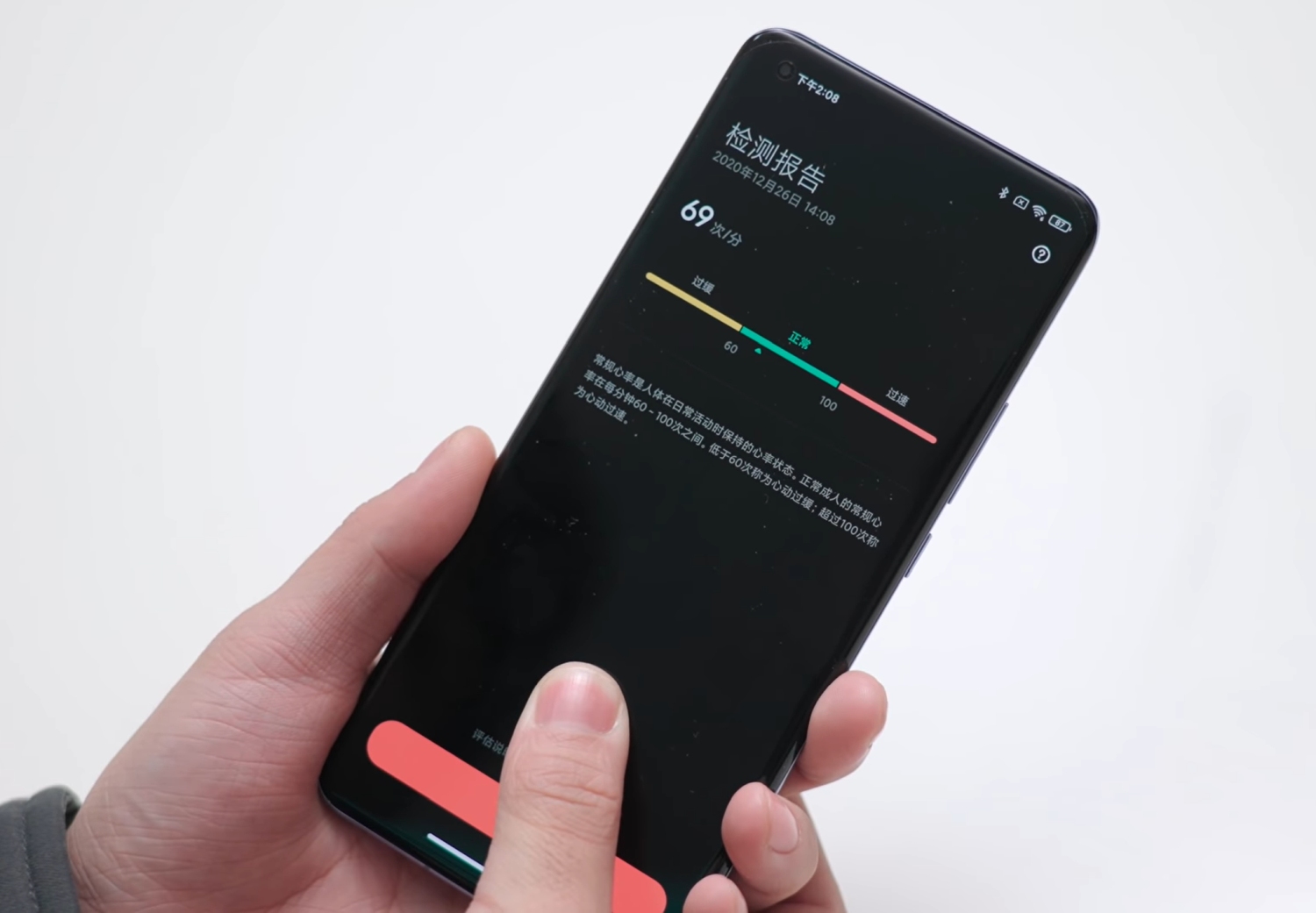
From the looks of it, you’ll need to hold your finger at the same spot for 15 seconds to get a measurement via a health app. This is quite long as most heart rate sensors including Samsung’s previous rear-mounted unit would take 10 seconds or less. You can watch how it’s done from their teardown video of the Mi 11 starting at the 8:41 mark.
After the launch of the Mi 11, it was revealed that Goodix is the supplier for the ultra-thin optical in-display fingerprint sensor with heart rate monitoring. The company claims that the in-display heart rate sensor is just as accurate as a smart band and watches. According to their website, Goodix also supplies in-display fingerprint sensors to various brands including OnePlus, Samsung, Vivo, Oppo, Huawei and Realme.

#XiaomiMi11 Features Heart Rate Monitoring by Goodix’s Ultra-Thin Optical IN-DISPLAY FINGERPRINT SENSOR™ pic.twitter.com/EA6pkECONC

— Goodix (@GoodixTech) December 28, 2020

It is quite rare to see new smartphones with built-in heart rate sensors these days. Samsung used to offer it as standard since the Galaxy S5 back in 2014 but the Korean smartphone maker has removed the feature beginning with the Galaxy Note 10.

Getting a one-off reading from a smartphone might not provide a clear picture of your wellbeing and it is better to have continuous reading through a fitness tracker or a smartwatch. If you just need something to track your heart rate, there are plenty of affordable fitness trackers with built-in heart rate monitoring under RM200. This include the Xiaomi Mi Smart Band 5 and Samsung Galaxy Fit 2.

Going back to the Mi 11 teardown, the video provides a clear look of its internals as they disassemble the Vegan Leather Lilac purple version of the device. The back is clearly plastic which appears to be quite flexible. Removing the camera module, the video reveals the Samsung 108MP ISOCELL HMX sensor with OIS, a 13MP Omnivision CMOS OV13B10 for its ultra-wide-angle shooter and a 5MP Samsung S5K5E9 sensor for its macro camera.

The Mi 11 also features a vapour chamber to keep its Snapdragon 888 processor cool and it gets a respectable 4,600mAh Li-Ion battery from Sunwoda Electronic. You can watch the full teardown video below:


[ SOURCE 2, VIA ]

Related reading

Xiaomi Mi 11: First Snapdragon 888 smartphone, 55W GaN charger available for free
After making fun of Apple, Xiaomi is also ditching the charger for its new Mi 11 flagship smartphone
CEO: Mi 11 will have the best smartphone screen in Xiaomi’s history, Gorilla Glass Victus included
Tags: MobileXiaomiXiaomi Mi 11
Alexander Wong

Alexander Wong

POPULAR

Xiaomi Mi 11 has an in-display heart rate sensor, here’s how it works

December 30, 2020

Why are Malaysians still buying EVs in 2026? | Let’s Talk About #138

March 15, 2026

iPhone to support 5G SA for Yes 5G, U Mobile and Maxis via iOS 26.4

March 16, 2026

Is Your Current Phone Generations Behind? Here’s a Simpler Way to Close the Gap

March 13, 2026

BMW i3: Fully electric 3 Series, 800V EV with up to 900km range and 400kW DC charging

March 18, 2026
OMOWAY Omo X - OMOWAY Global Tech Launch 2026

OMOWAY: The Tesla of 2-Wheelers Is Charting Its Course With OMO X and Mobility One Wheeled Robot

March 19, 2026

Copyright © 2025 · SoyaCincau.com
Mind Blow Sdn Bhd (1076827-P)

  • ADVERTISE
  • DISCLAIMER

Copyright © 2026 · SoyaCincau.com – Mind Blow Sdn Bhd (1076827-P)

  • ADVERTISE
  • DISCLAIMER