
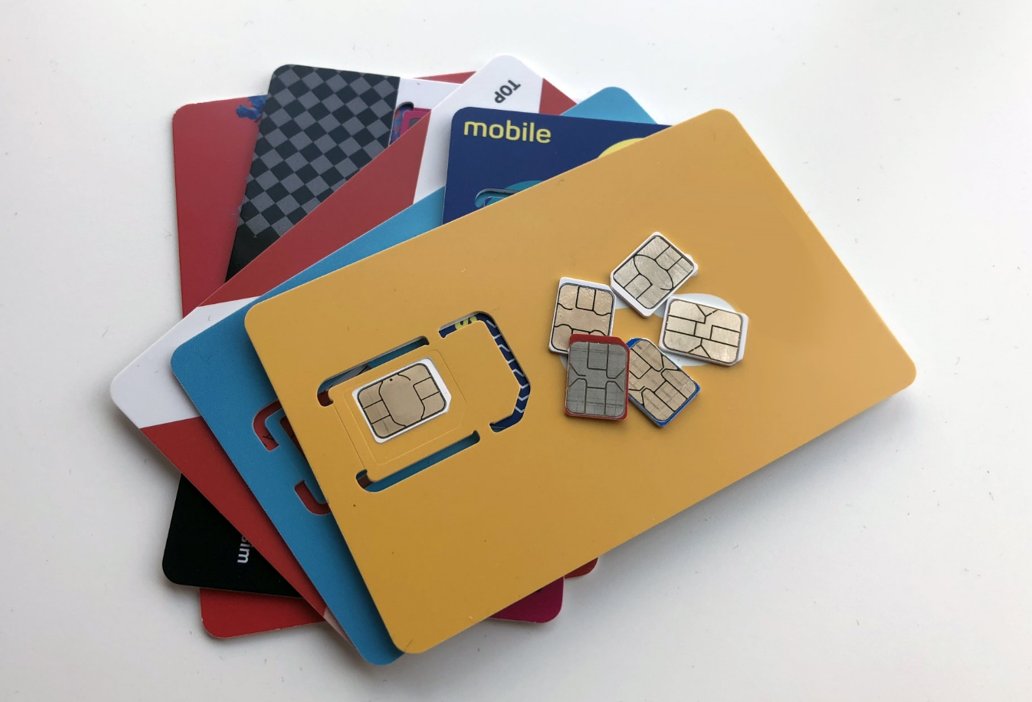
SIM card shipments are expected to see a further decline this year as users are reluctant to change their phones due to increased device prices, according to research firm ABI Research.
Phil Sealy, research director at ABI Research, said: “The greater threat for the removable SIM card form factor in the shorter term is being presented by the handsets market. Mobile devices are becoming increasingly more expensive, some of which are now above the $1,000 mark”.
He added that more expensive phones have also resulted in operator lenghten contract periods in order to spread the cost of a device.
“As a result, consumers are looking to spread the cost of a device over a longer period. MNOs (mobile network operators) have also taken note and are beginning to lengthen subscription contracts from the traditional 18 and 24-month period, to 36 and 48 months. The increase in device life and contract lengths will reduce replacement rates and thus SIM card demand”.
SIM card shipments dipped for the first time in five years in 2018 when 5.53 billion SIMs were shipped. ABI predicts the SIM card market will contract from 5.2 billion this year to five billion in 2024.
This year and 2018 saw many challenges for the SIM market in the APAC region. In China, roaming fees were relaxed which was the primary driver behind multiple SIM ownership. In Indonesia, ID card registration regulations were enforced. SIM card adoption dropped in India due to operators consolidating and ending 4G promotions.
Increased demand for eSIMs
SIM card replacement rates will also be hit by the increased demand of eSIMs for smartphones that support the technology such as the iPhone XR, iPhone XS, iPhone 11 and Google Pixel range. The Samsung Galaxy Fold supports eSIM as well. The growth of eSIM adoption will be fueled further by machine-to-machine and IoT due to increasing eSIM integrations especially in automobiles.
But Sealy said any eSIM impact on the market in the shorter term will be minimal. “The eSIM should be considered a longer-term market concern, with a reduction in SIM replacement rates driven more in the near term by increasing smartphone prices.”
eSIM or embedded SIMs negate the need for a physical SIM card to connect to a mobile network. Instead, eSIM compatible devices have a universal SIM card embedded allowing it to connect to compatible networks quickly wihtout the hassle of swapping physical SIM cards.
Increasing adoption of eSIM in Malaysia
In Malaysia, we’re seeing more and more operators offering eSIMs. Major operators like Maxis, Celcom, Digi are already offering eSIM solutions to their customers while U Mobile has just recently offered eSIM to their subscribers in conjunction with the launch of the iPhone 11 in the country. MVNOs like XoX and Yoodo offer eSIM as well.
Up next…
[via]