• 中文版
  • BM
  • News
  • Deals
  • Reviews
    • First Impressions
    • Hands-on
    • Comparisons
  • Tech
    • Mobile
    • Computers
    • Cameras
    • Wearables
    • Audio
    • Drones
  • Telco
    • Celcom
    • Digi
    • Maxis
    • Time
    • Tune Talk
    • U Mobile
    • Unifi
    • Yes
  • Cars
  • Contribute
  • Jobs
Menu
  • 中文版
  • BM
  • News
  • Deals
  • Reviews
    • First Impressions
    • Hands-on
    • Comparisons
  • Tech
    • Mobile
    • Computers
    • Cameras
    • Wearables
    • Audio
    • Drones
  • Telco
    • Celcom
    • Digi
    • Maxis
    • Time
    • Tune Talk
    • U Mobile
    • Unifi
    • Yes
  • Cars
  • Contribute
  • Jobs
Search
  • Tech
    • News
    • Mobile
    • Computers
    • Cameras
    • Wearables
    • Audio
    • Drones
  • Telco
    • Celcom
    • Digi
    • Maxis
    • Time
    • U Mobile
    • Unifi
    • Yes
  • Reviews
    • First Impressions
    • Hands-on
    • Comparisons
  • Buyer’s Guide
  • Opinions
  • Digital Life
  • Video
  • Deals
  • How-To
  • Cars
  • Bahasa Melayu
  • EV
  • Contribute
  • Advertise
Menu
  • Tech
    • News
    • Mobile
    • Computers
    • Cameras
    • Wearables
    • Audio
    • Drones
  • Telco
    • Celcom
    • Digi
    • Maxis
    • Time
    • U Mobile
    • Unifi
    • Yes
  • Reviews
    • First Impressions
    • Hands-on
    • Comparisons
  • Buyer’s Guide
  • Opinions
  • Digital Life
  • Video
  • Deals
  • How-To
  • Cars
  • Bahasa Melayu
  • EV
  • Contribute
  • Advertise
Search
Close
Home Digital Life

New malware spreads itself by auto replying to all of your WhatsApp messages

  • BY Jinn Xiung
  • 26 January 2021
  • 6:55 pm
  • Comment
Share on FacebookShare on Twitter

Have you received a WhatsApp message with a suspicious link embedded? Whatever you do, don’t click on that link. The reason: a new wormable malware has been spreading on Android devices via WhatsApp, as reported by The Hacker News. 

According to security ESET malware researcher Lukas Stefanko:

This malware spreads via victim’s WhatsApp by automatically replying to any received WhatsApp message notification with a link to [a] malicious Huawei Mobile app,

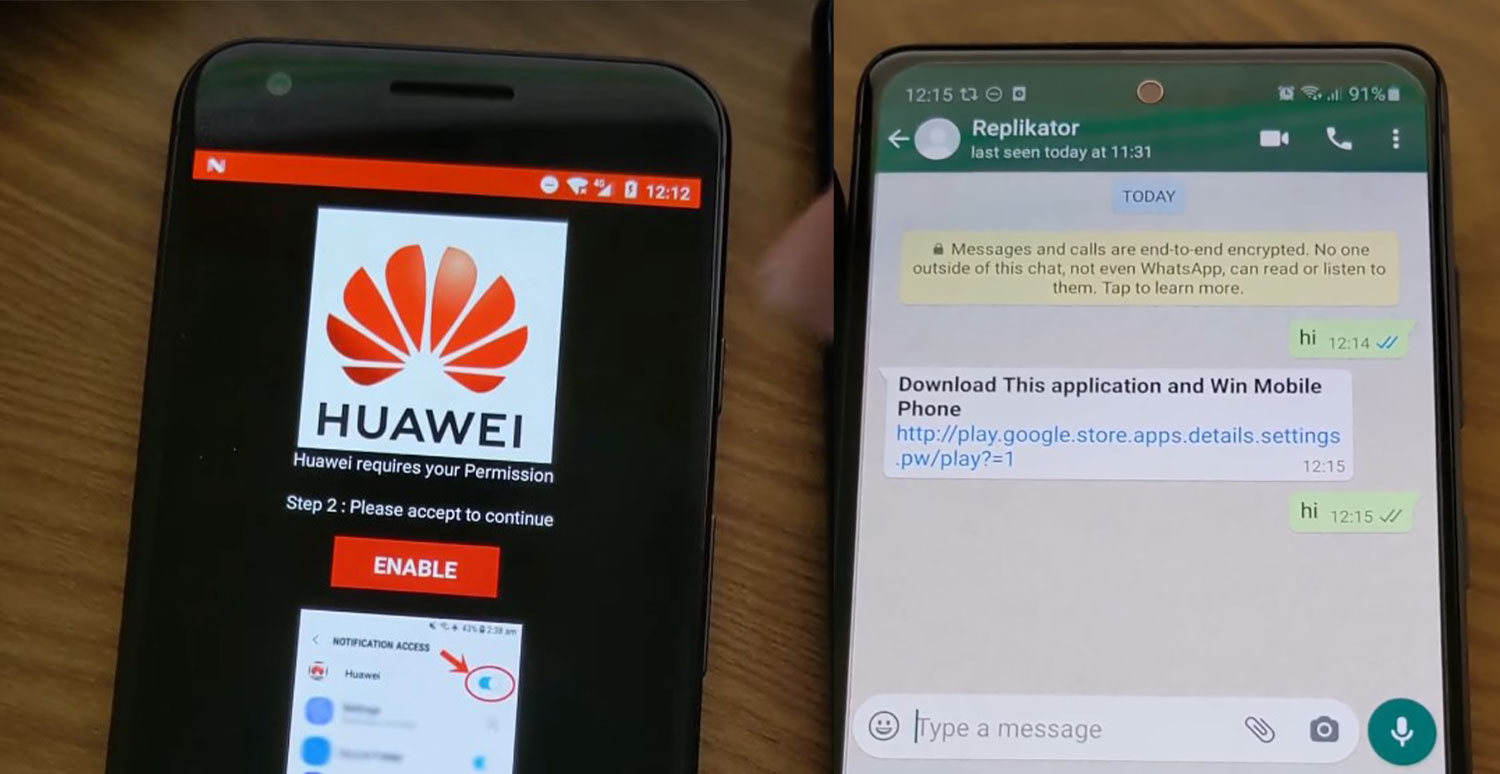
So, how does this malware spread and infect other users? According to Stefanko, the malware uses WhatsApp’s quick reply feature to send messages with the malicious links as replies.
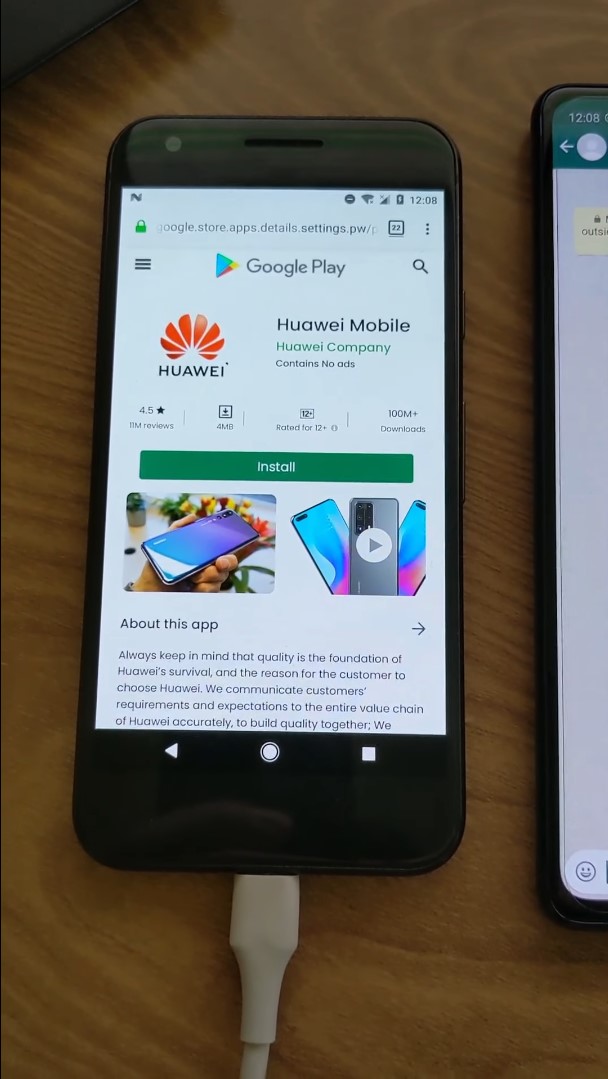
Source: Lukas Stefanko

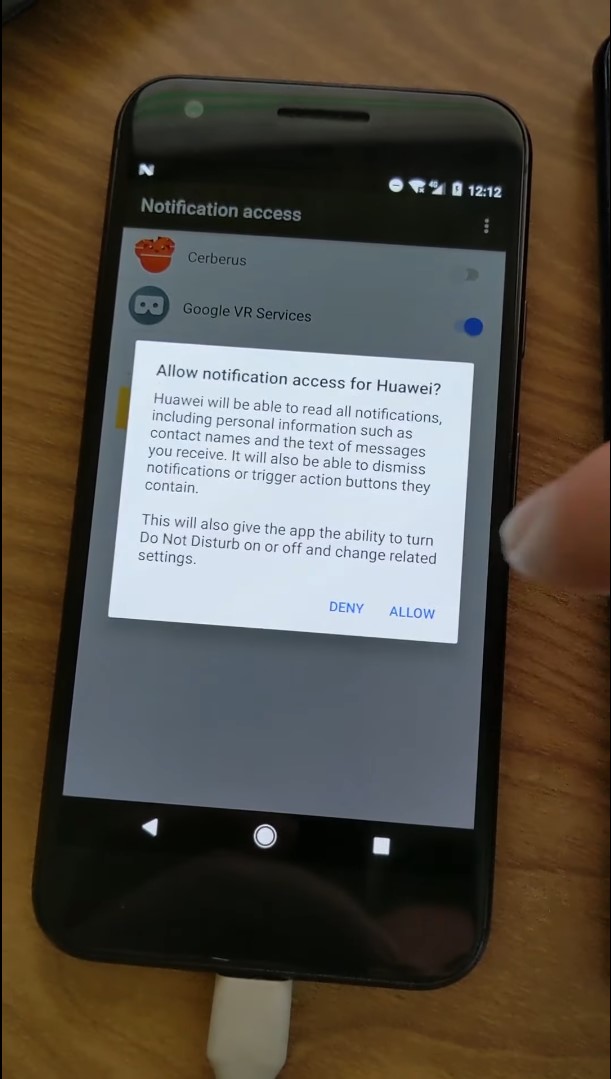
These links redirect potential victims to a convincing web page that resembles Google’s Play Store. It then prompts users to download and install a fake Huawei app. This malicious app then prompts users to grant it permission to read notifications as well as run in the background.

In addition, it also asks users to allow it to draw over other apps. If you are not familiar, this basically allows the malware-ridden app to overlay itself on top of other apps running on the device. This then allows it to capture and steal all your credentials like usernames and passwords.

Stefanko notes the malware only sends one message per hour to the same contact. This is done, so the app does not arouse suspicions at first and scarily enough, it remains operational as long as possible before it being detected and removed.

He added that the contents of the message and the link to the malicious app are fetched from a remote server. This means the malware can be used to redirect unsuspecting victims to other malicious websites and apps.

In its current form, the malware is only capable of sending automatic replies to other WhatsApp contacts. However, this could potentially be extended to other messaging apps that support Android’s quick reply function.

The malware researcher said this is the first time he has encountered an Android malware that can spread itself via WhatsApp messages. He added that the malware could potentially be spread through other forms of messaging like SMS, email, social media, groups chats and more.

This underscores the need for users to stick to only trusted sources when downloading third-party apps. Always verify that the app you are downloading is actually made by a genuine developer. Also, scrutinise every permission the app requests before granting it.

If you are interested to learn how the malware works, have a look at Stefanko’s Youtube video below:

[SOURCE]

Related reading

Are these messaging apps safer than WhatsApp?
MCMC: Beware of WhatsApp hijack scam, here’s what you need to know
WhatsApp allowed people to Google for private group chats and phone numbers
Tags: AndroidhackermalwaresecurityWhatsapp
Jinn Xiung

Jinn Xiung

POPULAR

New malware spreads itself by auto replying to all of your WhatsApp messages

January 26, 2021

Why are Malaysians still buying EVs in 2026? | Let’s Talk About #138

March 15, 2026

iPhone to support 5G SA for Yes 5G, U Mobile and Maxis via iOS 26.4

March 16, 2026

Is Your Current Phone Generations Behind? Here’s a Simpler Way to Close the Gap

March 13, 2026

BMW i3: Fully electric 3 Series, 800V EV with up to 900km range and 400kW DC charging

March 18, 2026

Poco X8 Pro: Flagship-class performance and up to 8,500mAh battery for under RM2,000

March 17, 2026

Copyright © 2025 · SoyaCincau.com
Mind Blow Sdn Bhd (1076827-P)

  • ADVERTISE
  • DISCLAIMER

Copyright © 2026 · SoyaCincau.com – Mind Blow Sdn Bhd (1076827-P)

  • ADVERTISE
  • DISCLAIMER