
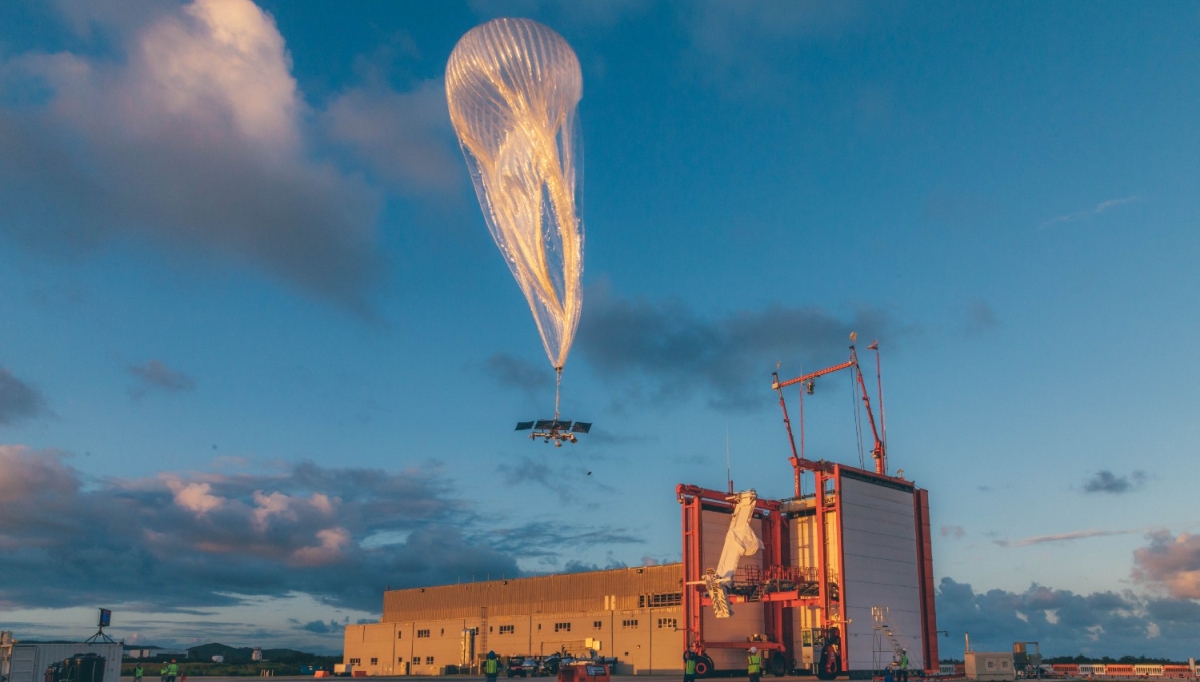
In 2013, Google announced an interesting, ambitious plan to provide internet connectivity in remote areas around the world. Project Loon, as it was called then, was a venture that used flying hot-air balloons to provide coverage from the skies. Now, however, the company has now been shut down by Alphabet—Google’s parent company—with Loon CEO Alastair Westgarth explaining the decision in a lengthy post on Medium.
In the excerpt below, Westgarth revealed that the company’s business model just did not work when it came to the long term, despite a number of partners who have helped along the eight-year journey.
“We talk a lot about connecting the next billion users, but the reality is Loon has been chasing the hardest problem of all in connectivity — the last billion users: The communities in areas too difficult or remote to reach, or the areas where delivering service with existing technologies is just too expensive for everyday people. While we’ve found a number of willing partners along the way, we haven’t found a way to get the costs low enough to build a long-term, sustainable business. Developing radical new technology is inherently risky, but that doesn’t make breaking this news any easier. Today, I’m sad to share that Loon will be winding down.”
– Alastair Westgarth via Medium
The legacy of Loon
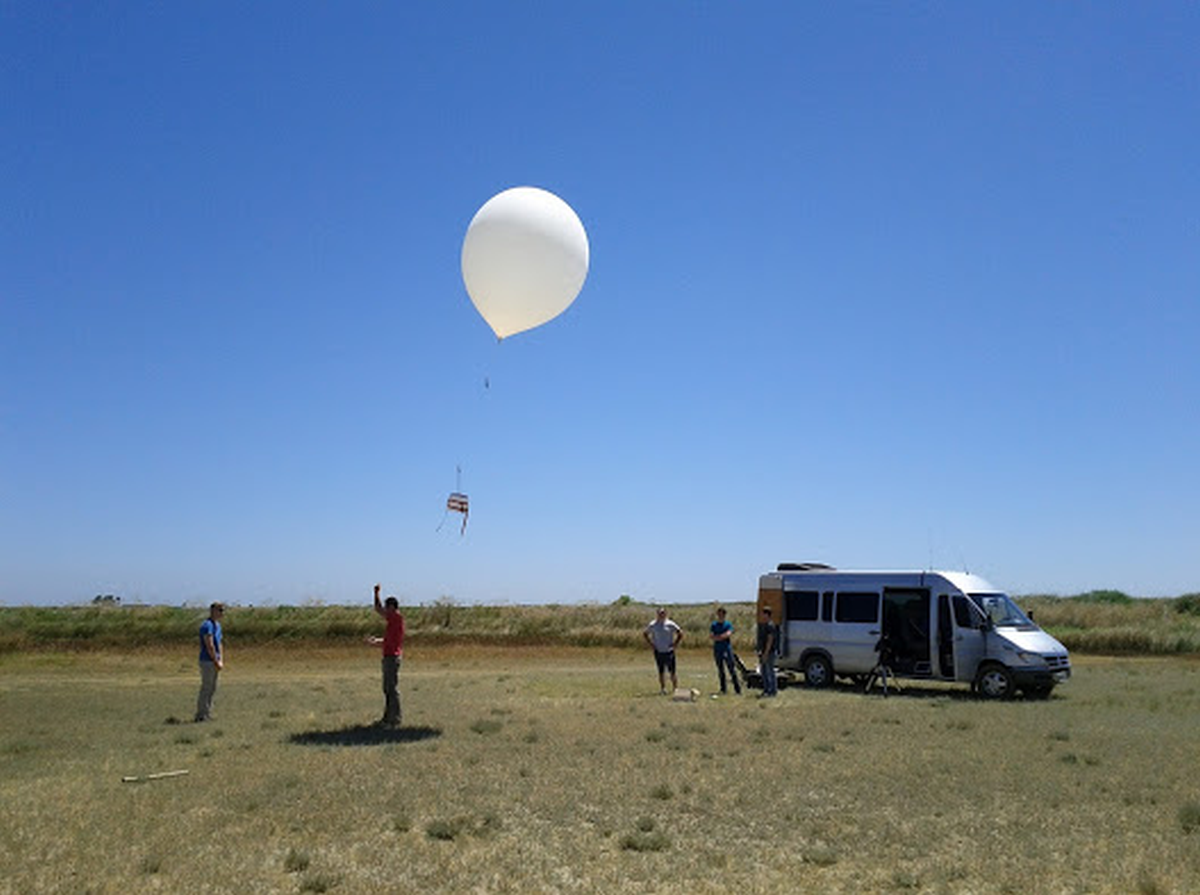
Loon was first started in 2011, almost 10 years ago, with a balloon prototype made up of “basic, off-the-shelf” parts. As time went by, the designs grew more and more complex, and one of the company’s balloons actually completed a lap around the world—in just 22 days. In 2013, the first WiFi connection by a public user was made by a sheep farmer in Canterbury, New Zealand.
In 2017, the company’s balloons were used to provide aid to tens of thousands of people in flood-affected areas in Peru. That same year, Loon’s flying/floating base stations were used to provide basic connectivity to around 200,000 people in Puerto Rico in the aftermath of Hurricane Maria. As recently as 2019, the company’s infrastructure was relied upon in Peru again, providing LTE connectivity to those affected by an earthquake in the country.
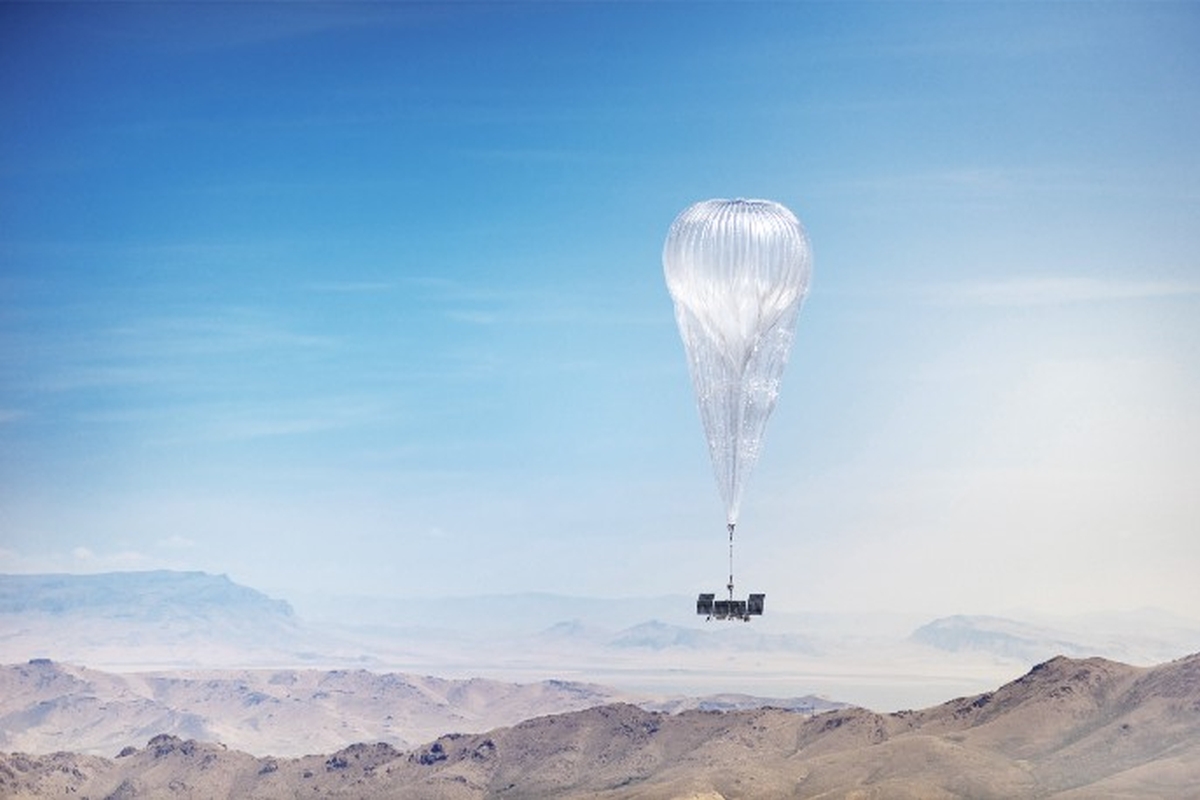
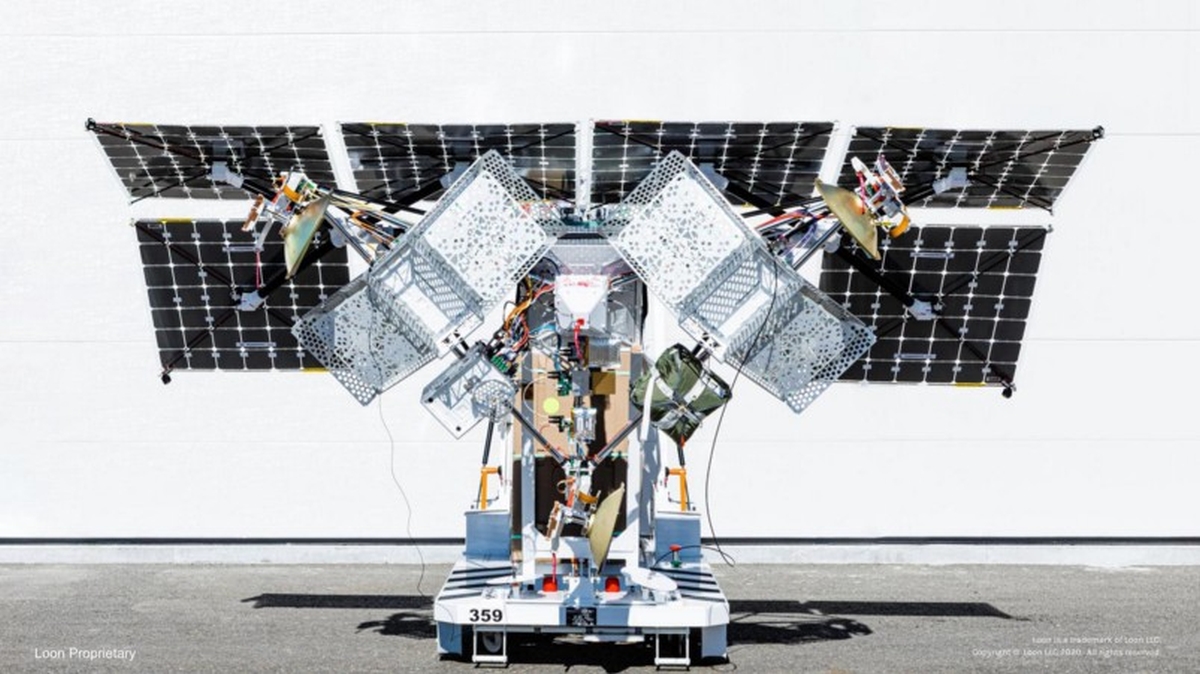
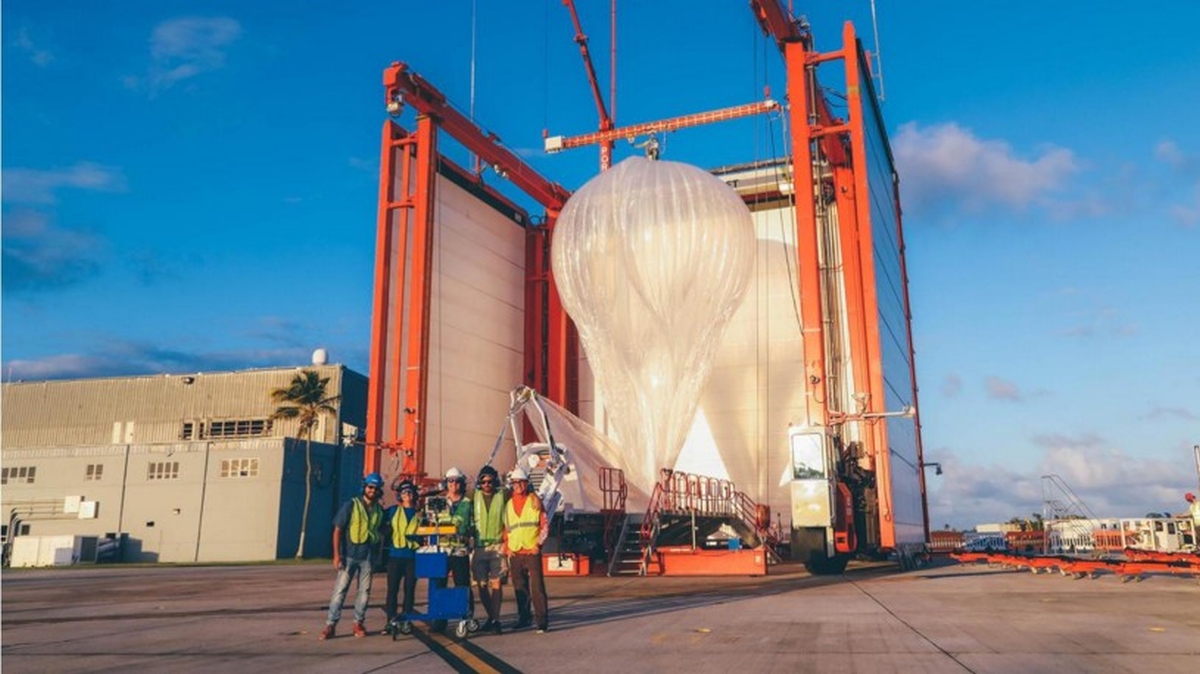
Which brings us to 2021, and Project Loon is now grounded for good. Does this mean that Alphabet—and to an extent, Google—will be re-purposing the technology for something else? Perhaps, but there hasn’t been any information on that for now. The tech is certainly interesting—hot-air balloons functioning as floating base stations, which can cover 200 times more ground area than a conventional station.
To end his post, Loon’s CEO issued his thanks to those who believed in the team:
“Thank you to everyone who joined us on this journey — especially to our many partners, regulators and governments who made this work possible. We’re incredibly grateful to you for believing in Loon and our mission of connecting people everywhere, and for taking a chance on us to build something the world has never seen before.”