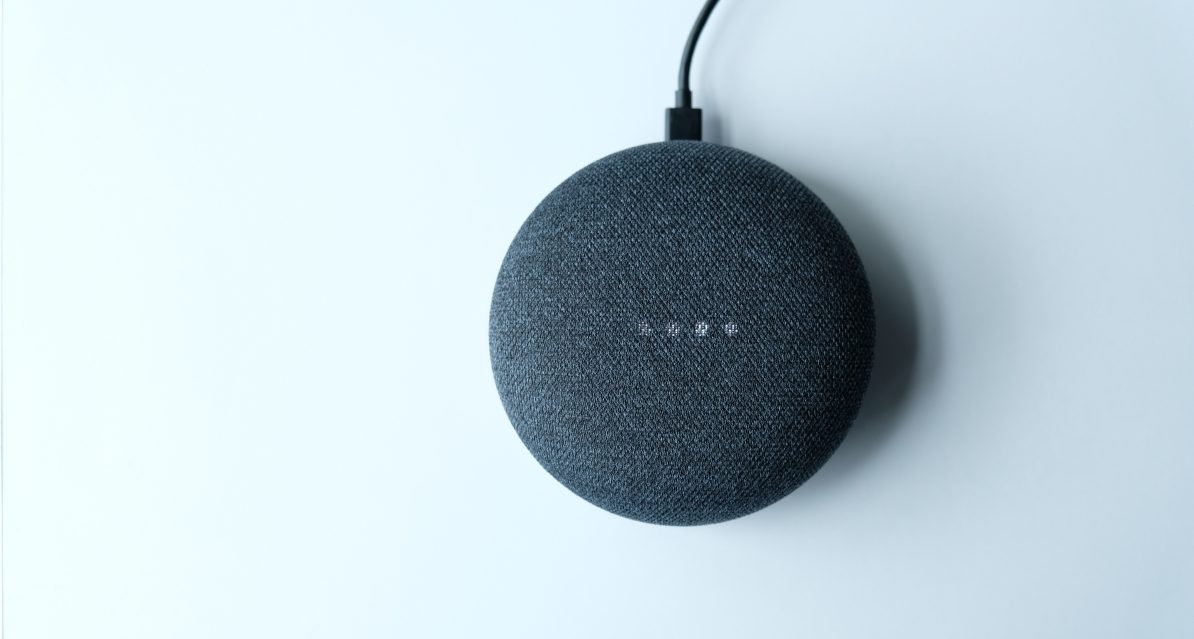
Manners maketh man, if the movie, Kingsman is to be believed. But that may not be true, or it may only be half-correct, according to new research. The Pew Research Center has published a report that studies the relationships between Americans and their smart speakers, with devices such as the Google Home and Amazon Echo increasing in popularity in recent times.
Some of the more interesting bits of info from the report is that more than half of the respondents are concerned over the amount of data smart speakers collect—the devices are notorious for being easy to trigger by accident. This concern is shared equally (more or less) over multiple demographic groups, and personal data privacy is the main issue here.
Let’s not forget the fiasco that was Apple admitting to hiring 3rd party contractors to listen to Siri recordings, with over 1,000 recordings reportedly listened to—per day.

But on a lighter note, the report also found that 54% of users maintain their manners by saying “please” when addressing their smart speakers, with 1-in-5 users doing so relatively frequently. This is similar across multiple demographics, but there’s an interesting tidbit amongst the stats here:
“Women are more likely than men to say they at least occasionally say “please” to their smart speaker (62% vs. 45%).”
Now, before we all put on our keyboard-warrior hats, a big of context here. Firstly, the study is made up, exclusively, of adults based in the U.S. Dated on the 27th of June 2019, it appears to be relatively current, and a sizeable sample of 4,272 is a certainly decent size.
Without delving too deeply into gender stereotypes here, it appears that men perceive their smart speakers to be dumb, simple devices. AI or not, a computer is ultimately still a computer, whatever conspiracy theorists and movies may have you believe.
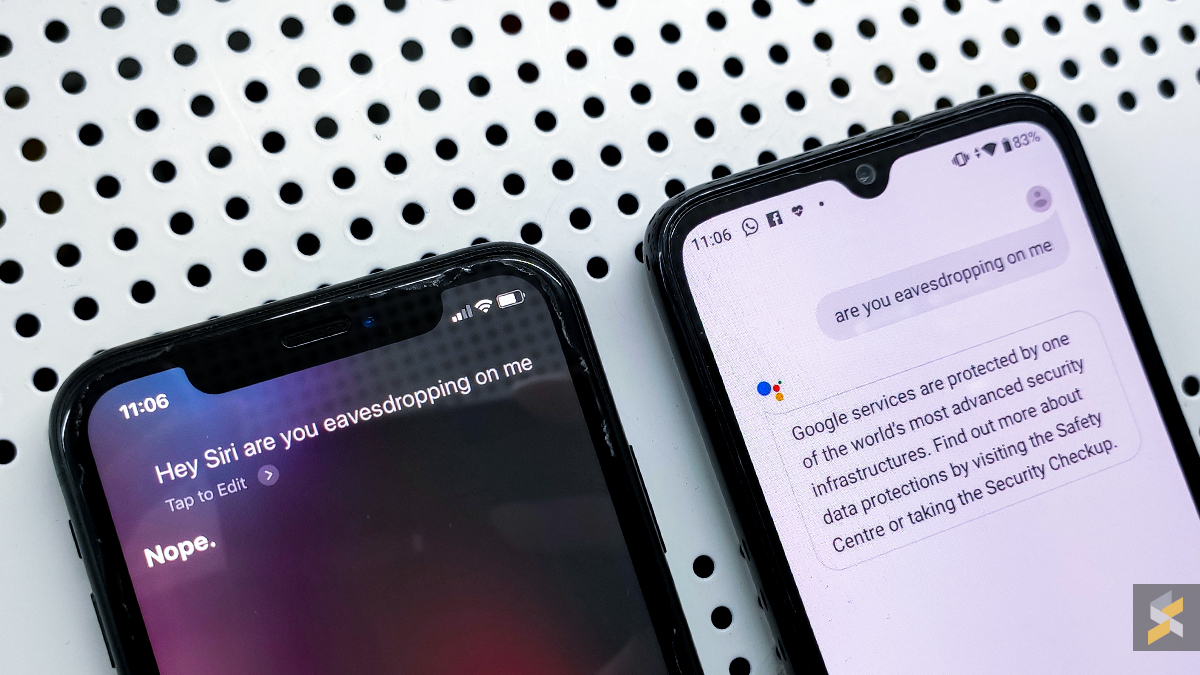
But perhaps there is a darker, more serious issue at play here. Most smart assistants, such as Siri or Alexa, have a female voice by default—and this could be indicative of a wider, misogynist problem. A U.N. report found:
“Because the speech of most voice assistants is female, it sends a signal that women are obliging, docile and eager-to-please helpers, available at the touch of a button or with a blunt voice command like ‘hey’ or ‘OK’.”
Then again, many smart assistants have the option to switch voices to a male voice, so this is speculative on my part at the present time. Regardless, it’s arguable that as AI-powered devices continue to grow, they form an increasingly growing portion of our daily communication.
As such, perhaps your manners when talking to your smart speaker could be a good indicator of the way you communicate—to a human, or otherwise.
You can view the full report here.